


VIPERT PE-RT vs PEX
While both PE-RT and PEX tubing are made from polyethylene (PE) resin, the manufacturing processes is what differentiates the two. PEX tubing requires a secondary cross-linking process to enhance strength, whereas PE-RT tubing uses a Bimodal method. This process runs the resin through a dual PE reactor system, eliminating the need for cross-linking while meeting and exceeding the same standards set by PEX.
The result is a tubing product with best-in-class pressure and temperature ratings, excellent oxidative resistance under the harshest test conditions, in potable water recirculation lines with maximum chlorine content. VIPERT (PE-RT) tubing shows enhanced durability with no long-term degradation, ensuring the tubing will last for generations.
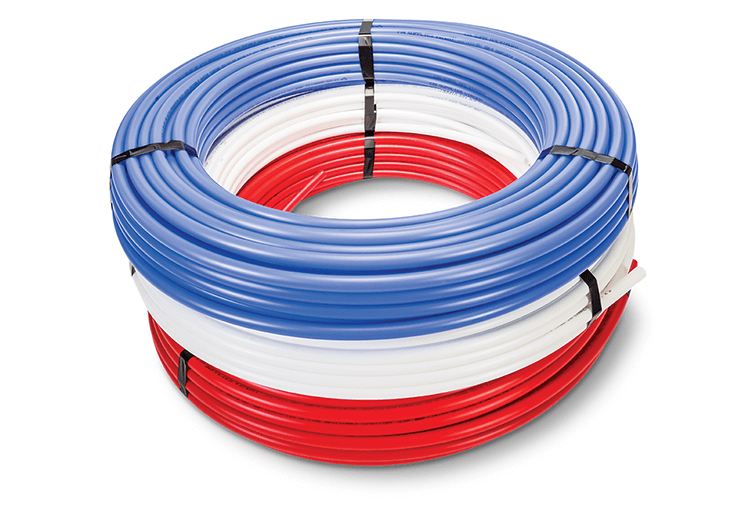
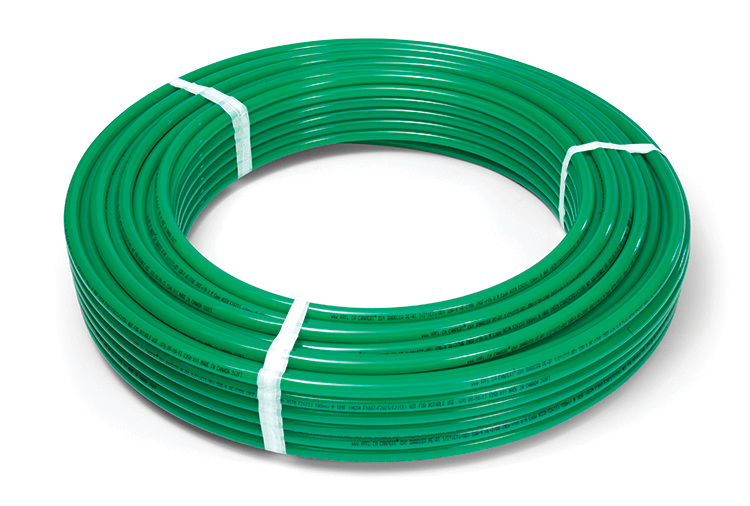
The key advantage to the manufacturing process for VIPERT (PE-RT) tubing is greater flexibility under all installation conditions, especially in tight spaces and the top choice for radiant in-floor system where tubing is installed in loop configurations, the relaxed memory properties make laying the tubing that much easier and greatly reduce the chances of kinking the tubing.

|
|
||||
 |
 |
||||
|
|
||||
|
|



|
To speak to a sales representative about VIPERT, contact us at: salesinfo@cbsupplies.ca


